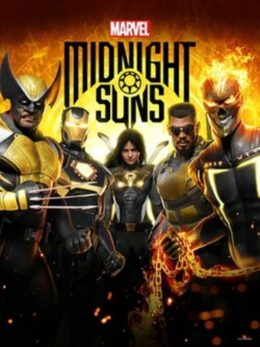
Marvel’s Midnight Suns sat in my backlog longer than it should have because I did not want cards in a superhero game. The trailers made it look like I would spend more time managing decks than fighting villains, and the friendship system did not help. I expected a pile of Marvel ideas thrown into a tactics game without much thought given to how they fit together.
The combat changed my mind.
Cards are simply the abilities available to your team during a turn. You bring three heroes into a mission, draw from their combined decks, and decide how to spend a limited number of card plays. Some abilities generate Heroism, stronger attacks spend it, and the environment gives you additional ways to hurt enemies without burning through your hand.
It is easy to understand once a fight begins, but there is much more going on than the cards initially suggest. Positioning matters because knockback attacks can send enemies into walls, explosives, electrical boxes, or other heroes. Redraws let you replace cards that do not fit the situation. Movement can set up a better angle, but you usually cannot reposition everyone, so committing a hero to one side of the arena can affect the rest of the turn.
The game tells you exactly how much damage an attack will cause. That turns each round into planning rather than guesswork. I would spend several minutes looking at a crowded battlefield, convinced I did not have enough actions, then notice that one knockback could trigger an explosive and clear enough room for a stronger attack. Pulling that off never stopped being satisfying.
Midnight Suns also understands that superheroes should not feel interchangeable. Captain America can build Block, protect teammates, and absorb attention. Blade needs time to stack Bleed before cashing it in for damage. Iron Man can redraw his own abilities to strengthen them. Ghost Rider hits hard but often pays for it with his health. Spider-Man gets more use from environmental objects, while Magik’s portals let her rearrange a fight in ways nobody else can.
I started choosing teams based on how their abilities worked together rather than which characters I liked outside the game. Magik became one of my regular choices because portals could rescue a turn that initially looked useless. Captain America made difficult missions easier to control. Blade was powerful when the cards cooperated, but there were fights where his Bleed setup took longer than I wanted. Learning those strengths and irritations is a large part of the fun.
Building each hero’s deck gives you control without burying you in hundreds of cards. Abilities can be upgraded, duplicated, and later modified with extra effects. The Hunter can use light or dark powers and fit around the rest of the team. I spent more time adjusting decks than I expected, but it rarely felt like maintenance. A small change could solve a problem I had been running into for several missions.
My patience usually started wearing thin after returning to the Abbey.
The Abbey is where you research upgrades, improve cards, train with heroes, answer messages, explore the grounds, and build friendships. Friendship levels unlock real combat bonuses, including passive abilities and team attacks, so ignoring that part of the game means leaving useful upgrades behind.
Some of the social material is good. Magik, Nico, Robbie Reyes, and Blade are given more attention than they normally receive in Marvel games. Conversations occasionally reveal tension within the group or show a side of a character that would never appear during a mission. I even came around on some of the stranger activities. Blade starting a book club fits this version of the team better than it has any right to.
The problem is volume. There are nights when several characters want to talk, a club meeting is waiting, new research needs attention, and half the Abbey has another icon floating over it. I would finish a great mission ready to try a different team, only to spend the next stretch running errands and checking conversations.
The dialogue makes those interruptions harder to tolerate. It can be sincere, but it can also sound like everyone attended the same superhero conflict-resolution seminar. Jokes arrive during scenes that do not need them, emotional points get repeated, and the Hunter’s formal way of speaking becomes awkward. I liked spending time with certain characters. I did not need every character to become my best friend.
Exploring the Abbey grounds is the weakest part. The area contains mysteries and upgrades, but moving through it feels stiff, and searching for collectibles slows an already busy game. I eventually stopped treating the grounds like an interesting location and started treating them like a list of chores I would finish later.
The story deals with Lilith’s return, Hydra’s involvement, and the threat of Chthon. Making Lilith the Hunter’s mother gives the conflict a personal angle, and the supernatural cast keeps it separate from the usual Avengers material. It is a solid comic-book story, although the uneven dialogue and long Abbey sections stretch it beyond what the plot can support.
Combat missions also begin repeating objectives, but the changing teams and card draws kept them from feeling identical to me. The tactical situations remained interesting even when I had already seen the same Hydra reinforcements and mission setup several times.
The visuals are serviceable. Powers look good in battle, attacks are easy to read, and the larger abilities have the impact they need. Conversations are rougher. Faces lack expression, animations feel stiff, and the close camera does the character models no favors. I noticed it, but it never hurt the game as much as the pacing did.
Midnight Suns is at its best when it puts three heroes on a battlefield and lets their abilities interact. That portion of the game is smart enough to support experimentation and accessible enough that I never felt buried under tactical rules. The Abbey adds personality and makes the team more memorable, but it demands too much time for what it gives back.
I liked Midnight Suns enough to tolerate the parts that annoyed me. I also understand why the cards, conversations, and slow opening drove other players away before the combat showed its full depth. For anyone willing to push through that, there is an excellent tactics game here surrounded by a social game that badly needs an editor.
For players who want tactical Marvel combat with with weird friendship-sim flavor.